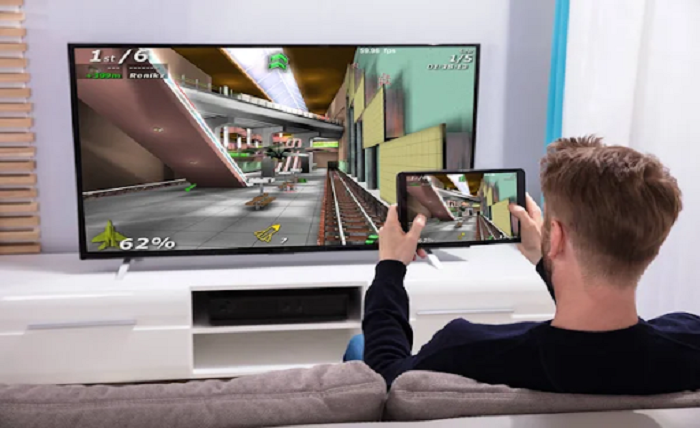
Have you ever wondered how online games went from simple moving shapes and basic backgrounds to colourful digital environments filled with animation and interactive characters? Earlier video games relied on limited graphics, repetitive movements, and simple visual effects. Today, online gaming can feature detailed characters, realistic environments, changing backgrounds, and responsive animations.
This transformation has changed how people interact with digital entertainment. Modern games use movement, colour, lighting, and visual storytelling to communicate different gameplay events.
However, impressive graphics are only one part of a good gaming experience. Clear instructions, comfortable controls, and understandable mechanics remain equally important. Let’s explore how online gaming visuals have changed and what these developments mean for everyday players.
The Early Days of Simple Gaming Graphics
Early digital สล็อตเว็บตรง games used basic shapes, limited colours, and straightforward movements. Hardware restrictions meant developers had to communicate gameplay using relatively few visual elements.
Despite these limitations, many games developed recognisable characters and creative environments.
How Simple Graphics Supported Gameplay
Classic arcade and early computer games commonly featured pixel-based characters, fixed backgrounds, and repetitive animations.
Players could identify obstacles, collect objects, and follow character movements without complicated visual effects.
The simplicity also made important information relatively easy to recognise.
Modern games sometimes recreate pixel-art styles because their appearance can still support interesting gameplay. This shows that detailed graphics are not always necessary for enjoyable entertainment.
How Digital Technology Changed Game Animation
As graphics technology improved, developers gained more opportunities to create detailed characters and moving environments.
Instead of relying entirely on static backgrounds, games could introduce animated objects, changing scenery, and smoother character movements.
From Basic Movement to Detailed Animation
Consider an older racing game where the road appeared as a simple pattern moving towards the player. Modern racing games can display changing weather, reflections, moving traffic, and detailed surroundings.
Similarly, earlier puzzle games often used static symbols, while modern versions may include animated pieces and colourful transitions.
These developments make สล็อต gameplay visually expressive, although complicated graphics do not automatically improve the quality of a game.
Animated Characters Make Games Feel More Responsive
Characters are among the most noticeable elements of modern game design. Their movements, expressions, and reactions help communicate what is happening during gameplay.
Developers use animation to connect player actions with visible responses.
How Characters React to Different Events
Modern games may feature characters that:
- Move differently depending on player controls.
- Change facial expressions during important scenes.
- React when completing challenges.
- Interact with objects in the environment.
- Perform special movements during bonus features.
For example, an adventure-game character might celebrate after completing a difficult task.
In online slot games, an animated character might react when a bonus feature activates.
However, these interactions work differently. Adventure games may reward player skill, while slot outcomes generally depend on random number generators.
Moving Backgrounds Create More Interesting Environments
Background design has also changed considerably. Instead of displaying fixed scenery, modern games may include environments that respond to movement or gameplay events.
These visual changes help establish the atmosphere of different gaming genres.
How Environmental Animation Supports Themes
Imagine a fantasy game featuring moving clouds, glowing castles, and gently flowing rivers. These elements help establish the fictional setting.
A futuristic game might display flying vehicles, illuminated buildings, and animated digital signs.
Even simple online games can use background movements to make their themes more recognisable.
However, important gameplay information should remain clearly visible. Excessive movement can become distracting, particularly on smaller screens.
Colour and Lighting Make Digital Scenes More Expressive
Modern game designers use colour and lighting to guide attention and communicate events.
Bright highlights may indicate interactive objects, while changes in lighting can help distinguish different areas or stages of gameplay.
Why Visual Clarity Matters
In puzzle games, contrasting colours can help players recognise different objects.
In adventure games, lighting may draw attention towards important locations.
Online slots sometimes use glowing symbols or changing backgrounds to indicate activated features.
However, players should avoid interpreting dramatic visual effects as guarantees of success or financial rewards.
Good visual design should communicate useful information rather than create confusion.
Mobile Gaming Has Influenced Visual Design
Smartphones have changed how games are developed and presented. Developers must now consider smaller screens, touch controls, and different device capabilities.
A visually detailed game may look attractive on a computer but become difficult to understand on a smartphone.
What Makes Mobile Graphics Practical?
Before exploring a mobile game, players should check several details:
- Are characters and important objects clearly visible?
- Do animations interfere with touch controls?
- Can text and instructions be read comfortably?
- Does the game run smoothly on the device?
- Are sound and display settings adjustable?
Clear controls and stable performance often matter more than complicated visual effects.
Players should also download games from legitimate sources and review application permissions before installing unfamiliar software.
Different Game Genres Use Animation Differently
Visual improvements do not affect every gaming category in the same way. Developers select animation styles based on the type of interaction their games require.
Understanding these differences helps beginners recognise what graphics contribute to gameplay.
Skill-Based Games and Chance-Based Games
In racing, strategy, and action games, animations often communicate information that helps players make decisions.
For example, character movements may indicate an approaching obstacle or an opponent’s action.
In chance-based games such as online slots, animation mainly communicates results and supports the game’s visual theme.
Online slots generally use random number generators to determine outcomes. Previous spins do not predict future results, regardless of how animations appear.
For real-money slots, players should also understand RTP and volatility. RTP represents theoretical returns over extensive gameplay, while volatility describes the general pattern of payouts. Neither guarantees individual winnings.
Responsible Habits Matter Alongside Visual Entertainment
Detailed graphics, changing environments, and interactive features can make digital gaming absorbing. Players may spend longer than intended when they become focused on completing challenges or watching animated events.
Setting reasonable screen-time limits, taking breaks, and balancing gaming with other activities can help maintain healthy habits.
For games involving real-money gambling, additional care is necessary. Players should establish strict spending limits, avoid chasing losses, and follow applicable local laws and age restrictions.
Real-money gaming should always be treated as entertainment, not a dependable way to earn income.
Conclusion
The visual evolution of online gaming has transformed basic shapes and static backgrounds into animated characters, responsive environments, colourful lighting, and detailed digital scenes. These improvements help games communicate information, express different themes, and create varied interactive experiences. However, impressive graphics should never replace clear instructions, comfortable controls, and an understanding of gameplay mechanics. By appreciating visual creativity while maintaining responsible gaming habits, players can better understand how digital entertainment continues to develop.